

Understanding neuroplasticity, nervous system retraining, and the small daily practices that can help your body move out of chronic stress.
Have you ever noticed that even when life finally slows down, your body doesn’t seem to get the message? You may have finished everything on your to-do list, settled into a quiet evening, or finally found a moment to rest, yet your mind keeps racing, your muscles remain tense, and you feel as though you should be doing something.
For many people, this experience becomes so familiar that it starts to feel normal. Living in a constant state of urgency, anticipation, or overwhelm can make relaxation feel surprisingly uncomfortable. Even when there is no immediate threat, your nervous system may continue responding as though something needs your attention.
The encouraging news is that the nervous system is adaptable. Through a process known as neuroplasticity, the brain can learn and strengthen new patterns of responding. While changing long-established stress responses takes time, understanding how your nervous system learns can open the door to a different relationship with stress, rest, and your overall wellbeing.
Understanding Your Body’s Stress Response
Your nervous system is constantly working to help you navigate the world. It monitors information from both inside and outside your body, helping you respond to potential threats, challenges, and opportunities for connection. When your brain perceives a threat, the sympathetic branch of your autonomic nervous system helps prepare your body for action. Your heart rate may increase, your breathing may become faster, and your muscles may tighten. Stress hormones such as adrenaline and cortisol help mobilize the energy needed to respond. This response is essential for survival. The challenge arises when stress becomes frequent or prolonged, leaving fewer opportunities for recovery.
Over time, you may begin to notice patterns such as:
- Feeling constantly alert or on edge
- Struggling to relax, even in peaceful environments
- Experiencing racing thoughts or difficulty sleeping
- Feeling overwhelmed by relatively small challenges
- Holding tension in your shoulders, neck, or jaw
- Becoming easily irritated or emotionally reactive
- Feeling exhausted but unable to fully switch off
- Experiencing discomfort or guilt when you try to rest
These experiences do not necessarily mean your nervous system is damaged. They may reflect how your body has adapted to repeated demands, although persistent symptoms can also have medical causes that deserve attention. Understanding these responses with curiosity rather than judgment is an important place to begin.
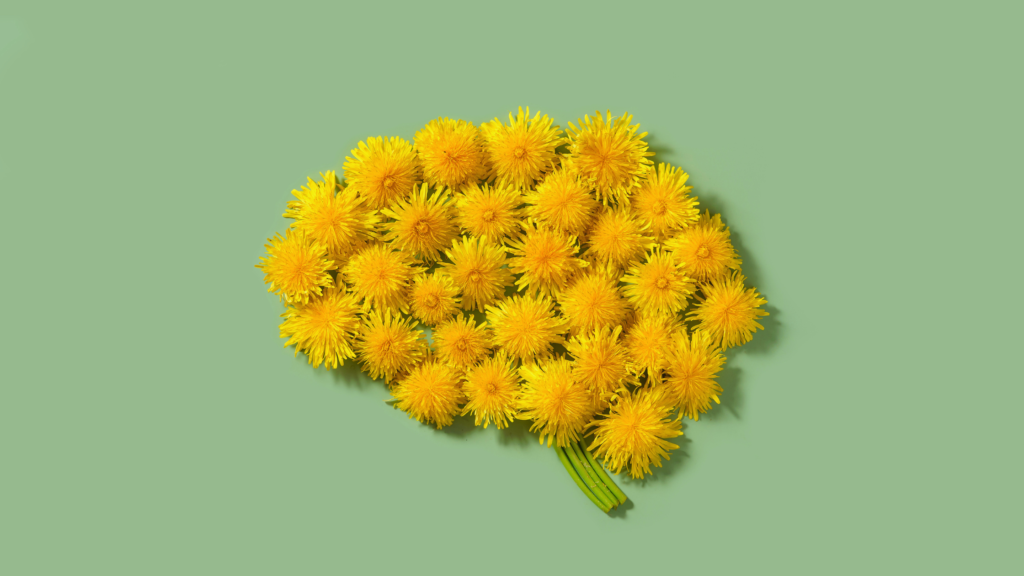
Neuroplasticity: Your Brain’s Ability to Change
For a long time, scientists believed the adult brain was relatively fixed. Today, we understand that the brain retains the ability to change throughout life. This capacity is called neuroplasticity, and it refers to the brain’s ability to reorganize connections and adapt in response to learning, experience, and repeated activity. Every time you practice a skill, learn something new, or respond to a familiar situation differently, you create opportunities for the brain to strengthen or modify neural pathways.
The same principle applies to certain learned stress responses.
If you have spent years anticipating problems, pushing through exhaustion, or responding to uncertainty with anxiety, those reactions may become increasingly automatic. Your brain has practiced them repeatedly, making them familiar and easily accessible.
But familiar does not necessarily mean permanent.
Neuroplasticity creates opportunities to develop different responses through experiences such as:
- Practicing awareness of your physical and emotional reactions
- Learning to recognize early signs of stress
- Developing healthier boundaries and coping strategies
- Practicing relaxation and emotional regulation techniques
- Building positive experiences of rest, connection, and predictability
- Responding to familiar situations with greater intention
Neuroplasticity does not mean that every chronic symptom can be reversed through thought or practice. It does mean that the brain’s capacity for learning can support meaningful changes in how we respond to stress.
Nervous System Retraining: Moving Beyond Automatic Responses
When we talk about nervous system retraining, we are not suggesting that the body needs to be forced into a permanent state of calm. A healthy nervous system needs flexibility. It must be able to respond to challenges when necessary and return toward recovery when those challenges pass. The goal is not to eliminate stress. It is to develop greater capacity to move between activation and rest.
For someone who has spent years feeling responsible for everyone else, this might involve learning to set boundaries without immediately responding to feelings of guilt. For someone accustomed to constant productivity, it might mean gradually becoming more comfortable with periods of rest.
For others, it may involve recognizing that a difficult conversation, unexpected change, or moment of uncertainty does not always require the same level of physical and emotional activation. This process often begins with awareness.
Instead of immediately reacting to a stressful situation, you might pause and notice:
- What is happening in my body right now?
- Am I holding my breath or tightening my muscles?
- What thoughts or expectations are accompanying this response?
- Is my reaction connected to what is happening now, or does it feel familiar from previous experiences?
- What would help me feel more grounded in this moment?
These questions create opportunities to recognize automatic patterns before responding. With repetition, practicing new responses may help build greater emotional flexibility and a stronger sense of agency.

Regulation Practices That Support Nervous System Flexibility
Nervous system regulation is not about achieving perfect calm. It is about developing practical ways to support your body during stress and help it recover afterward. Small, consistent practices can be particularly useful because they are easier to incorporate into everyday life. Rather than waiting until you feel completely overwhelmed, you can begin creating regular opportunities for your nervous system to experience moments of steadiness.
1. Slow, Comfortable Breathing
Breathing is one of the ways we can consciously influence aspects of our autonomic nervous system. Gentle, slower breathing may help reduce physiological arousal and encourage relaxation. Try taking a comfortable breath in through your nose, followed by a slightly longer, unforced exhale. Continue for a minute or two, paying attention to how your body responds. The goal is not to take the deepest breath possible or force a particular rhythm. If focusing on your breath creates discomfort, another grounding practice may be more appropriate.
2. Grounding Through Your Senses
When your mind becomes caught in worry or anticipation, reconnecting with your immediate surroundings can help shift your attention toward the present moment. You might notice the feeling of your feet against the floor, the support of the chair beneath you, or the sounds around you. These simple observations can help interrupt repetitive thinking and provide an opportunity to orient yourself to your current environment.
3. Gentle Movement
Physical movement can support mood, stress management, and overall health. Walking, stretching, yoga, tai chi, or other comfortable forms of movement can create opportunities to release physical tension and reconnect with your body. The key is choosing movement that feels appropriate for your health, energy, and physical abilities. For someone experiencing chronic illness or fatigue, this may mean a few minutes of gentle movement rather than an intense workout. Rest can be equally important.
4. Creating Predictable Moments of Rest
If you are accustomed to constant activity, rest may initially feel unfamiliar or uncomfortable. Rather than expecting yourself to immediately relax for an hour, begin with small, manageable pauses throughout your day. This might include sitting quietly with a cup of tea, stepping outside for fresh air, or taking a few minutes away from your phone. Over time, regular opportunities for recovery can become a more natural part of your routine.
5. Practicing Self-Compassion
The way you speak to yourself during stressful moments can influence how you experience those moments. If your automatic response is to criticize yourself for feeling overwhelmed, consider experimenting with a more compassionate perspective. Instead of asking, “Why can’t I handle this?” you might ask, “What do I need right now?” Self-compassion does not eliminate life’s challenges, but it can reduce the additional emotional pressure created by harsh self-judgment.

Why Repetition Matters More Than Perfection
One of the most important principles of neuroplasticity is that learning develops through experience and repetition. You do not need to master every regulation technique or eliminate every stressful thought to begin noticing changes. In fact, expecting yourself to remain calm all the time can become another source of pressure. Meaningful progress may look like recognizing tension earlier than you used to, pausing before automatically saying yes, or recovering more comfortably after a difficult experience. It may also mean noticing when you need additional support rather than expecting yourself to manage everything independently.
The goal is not to become someone who never experiences stress. It is to build a more flexible relationship with your responses. Progress is rarely linear. Some days may feel easier than others, especially when you are navigating illness, major life changes, or ongoing demands. Consistency, patience, and appropriate support matter more than perfection.
The Connection Between Subconscious Patterns and Nervous System Regulation
Sometimes, learning a regulation technique is only one part of the process. You may understand how to breathe slowly, recognize your stress response, or practice grounding, yet still find yourself returning to the same patterns of overworking, people-pleasing, perfectionism, or hypervigilance. This is where exploring subconscious patterns can add another dimension to the work. Many of our habitual behaviours are influenced by beliefs and expectations that developed through previous experiences. You might consciously want to rest while holding a deeply familiar belief that your worth depends on productivity. You might want to set boundaries while automatically anticipating rejection or conflict.
Exploring these beliefs can help you understand why certain responses feel so difficult to change. Rather than focusing exclusively on managing the physical sensations of stress, an integrative approach may also consider the thoughts, behaviours, relationships, and emotional experiences that contribute to recurring patterns.
This work is not about blaming yourself for your symptoms or suggesting that every health condition originates in the subconscious. It is about recognizing that physical and psychological experiences interact, and that addressing multiple aspects of wellbeing can sometimes provide more comprehensive support.

Your Nervous System Can Learn New Patterns
If you have spent years feeling overwhelmed, anxious, or constantly on alert, it can be difficult to imagine responding differently. But your current patterns do not have to define every future experience. The brain’s capacity for learning means there may be opportunities to strengthen new habits, develop healthier responses, and become more comfortable with moments of rest and recovery. This does not happen through force, pressure, or the expectation that you should be able to think your way out of every challenge. It begins with awareness, continues through practice, and develops through experiences that help you respond differently over time. Your nervous system does not need to be perfect. It needs opportunities to practice flexibility, recovery, and connection.
Begin Exploring Your Patterns
If you recognize yourself in the cycle of constant doing, anticipating, and feeling overwhelmed, you may benefit from exploring the patterns that accompany those responses. My Healing Activation Library offers self-guided experiences designed to support awareness of familiar emotional and subconscious patterns and encourage more intentional responses. The Overwhelm Healing Activation is a place to begin if you find it difficult to slow down, feel constantly responsible for everything, or struggle to create space for yourself. Through guided reflection and active participation, you can begin exploring what may be happening beneath your familiar responses and practice relating to them differently.
You don’t have to change everything at once. Sometimes the first step is simply becoming aware of the pattern.
Explore the Healing Activation Library
I believe growth should feel good. My work is about helping you create aligned, sustainable expansion – steady, balanced, and true to who you are. I love working with people who are ready to open their world of possibilities and step into real alignment, so they can grow in ways that feel right inside and out.
With light, Kelli
Disclaimer: This article is for educational purposes and does not replace medical advice, diagnosis, or treatment.
Author Profile

- Kelli Brown is a Certified Hypnotherapist (RTT), Radical Remission Health Coach and Workshop Instructor, and Reiki Master Level 3 dedicated to holistic healing. With over a decade of experience, she helps clients break free from limiting beliefs, overcome illness, and align mind, body, and spirit. Awarded Best Hypnotherapy Practice 2024.
Latest entries
 Advanced Energy PracticesOctober 14, 2026Rewiring the Stress Response: How the Nervous System Learns Safety Again
 Advanced Energy PracticesSeptember 21, 2026The Role of the Subconscious in Chronic Health Patterns
 Advanced Energy PracticesSeptember 8, 2026Why Symptom Management Alone Often Falls Short
 Advanced Energy PracticesAugust 24, 2026Trauma, Stress, and the Nervous System: When the Body Never Fully Returns to Safety